Do Automatic Cars Have a Clutch? (Simple Answer + Full Guide)

Many new drivers like to drive automatic cars. The reason is that they are easy to drive and don’t require gear shifting like manual vehicles. But many people still ask one important question:
Do automatic cars have a clutch? The answer might surprise you.
In this complete guide, you’ll learn if automatic cars have clutches, how automatic transmissions work, whether they use clutches, and how different types of automatic cars handle power transfer. Read it completely so you can fully understand the concept.
Do Automatic Cars Have a Clutch? (Quick Answer) 📄
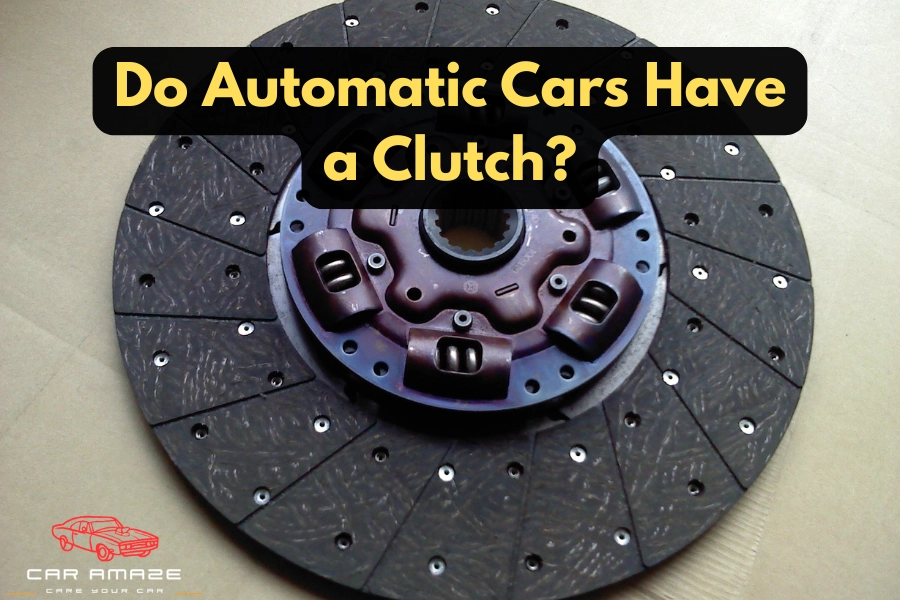
Yes, automatic cars do have clutches, but they do not have a clutch pedal. Instead of a pedal-controlled clutch like in manual cars, automatic vehicles use internal clutch systems, torque converters, or advanced transmission technologies to manage gear changes. There are different types of transmissions in automatic cars. The exact answer about the clutch depends on the type of automatic transmission:
- Traditional automatics use internal clutch packs.
- CVTs may use a single clutch or a torque converter.
- Dual-clutch systems use two clutches.
Table of contents
- Do Automatic Cars Have a Clutch Pedal?
- How Automatic Transmissions Work
- What Kind of Clutches Do Automatic Cars Use?
- What Replaces the Clutch in Automatic Cars?
- Do All Automatic Cars Have a Clutch?
- Manual vs Automatic Cars
- Common Myths About Automatic Car Clutches
- Can Automatic Transmission Clutches Wear Out?
- How to Maintain Automatic Transmission Clutches
- Pros and Cons of Automatic Cars
- Conclusion
- FAQs
Do Automatic Cars Have a Clutch Pedal?
No, automatic cars do not have a clutch pedal.
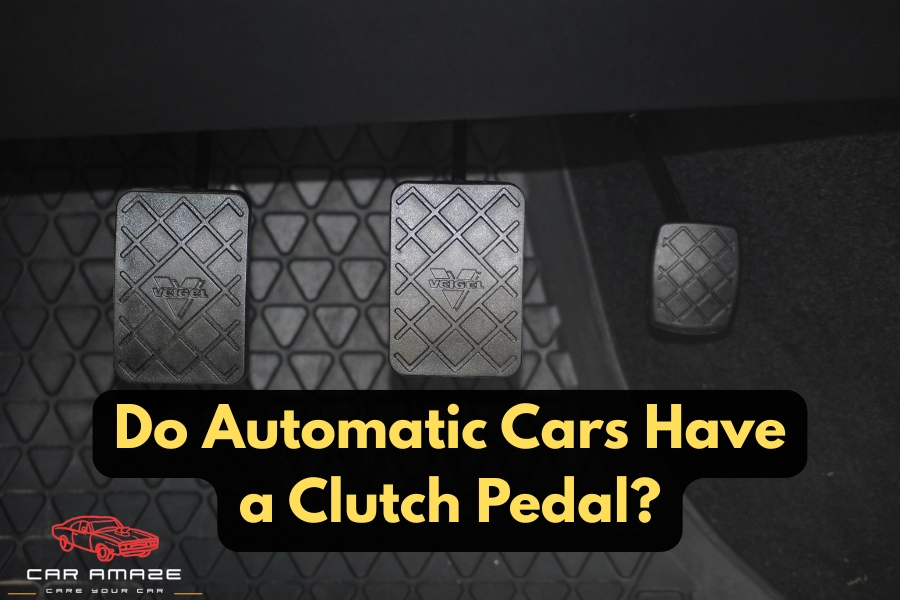
In a manual car, the driver presses the clutch pedal to disconnect the engine from the transmission when changing gears. But in automatic cars, the process is different. Here is the process:
- Gear shifting is done automatically.
- A computer controls the transmission.
- There is no need for driver input.
This is why automatic cars are much easier to drive, especially in heavy traffic.
How Automatic Transmissions Work (Simple Explanation)
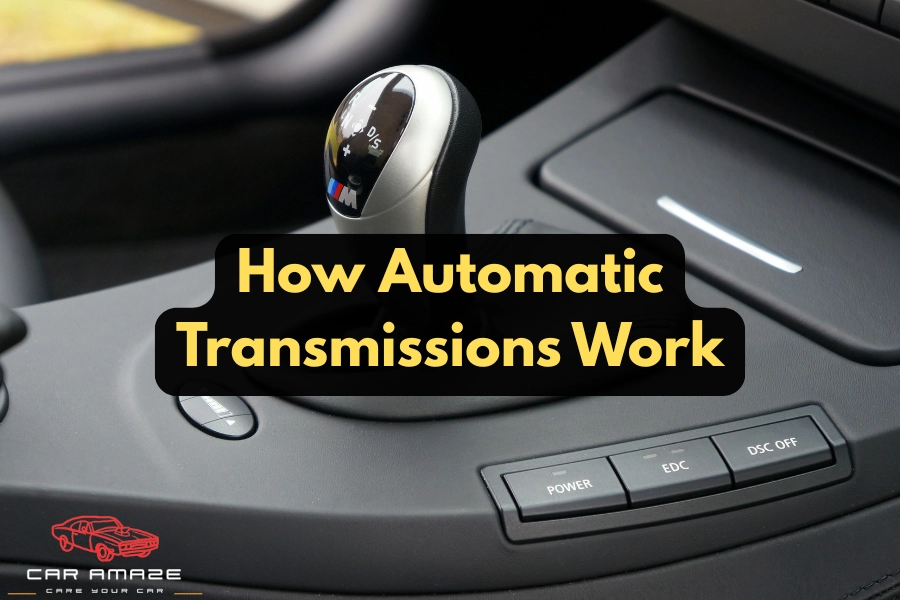
To understand clutches in automatic cars, you first need to understand how the transmission works.
- Automatic transmissions use a combination of the following:
- Sensors to monitor speed and load
- Hydraulic systems to control pressure
- Electronic control units (ECU) make decisions
Instead of the driver shifting gears, the system automatically selects the best gear based on driving conditions. In an automatic car, you will also find symbols that will indicate the gear position and other details.
What About Gears?
Most automatic cars use a planetary gear system, which allows multiple gear ratios using a compact setup. To change gears, the automatic transmission system engages different components inside the transmission.
This is where internal clutches and bands come into play.
Why Automatic Cars Don’t Need a Clutch Pedal
Automatic cars are designed for convenience. The automatic cars have a clutch. But do automatic cars have a clutch pedal? The answer is no. Here’s why a clutch pedal isn’t needed:
- Gear shifting is fully automated
- No need to manually disconnect engine power
- Easier to drive in traffic
- Reduces driver fatigue
This is why automatic cars are ideal for beginners.
What Kind of Clutches Do Automatic Cars Use?
Even though there is no clutch pedal, automatic cars still rely on clutch-like components internally.
Internal Clutch Packs
Automatic transmissions use multiple clutch packs instead of a single clutch. Each clutch pack:
- Contains friction plates
- Engages and disengages gears
- Works using hydraulic pressure
When you accelerate, the transmission activates specific clutch packs to select the correct gear.
Transmission Bands
Bands are another important component. They help hold certain gears in place, work together with clutch packs, and ensure smooth gear transitions.
What Replaces the Clutch in Automatic Cars?
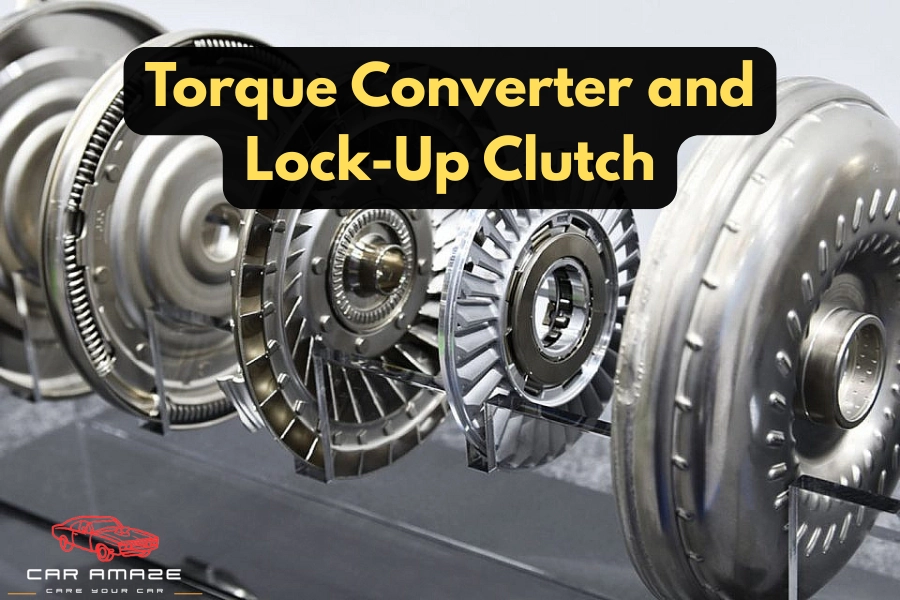
In many automatic cars, the engine components work slightly differently from those in manual cars. The traditional clutch is replaced by a torque converter.
Torque Converter
A torque converter is a fluid-based device that connects the engine to the transmission. Instead of physical contact like a manual clutch, it
- Uses transmission fluid
- Transfers power smoothly
- Allows the car to stop without stalling
This is why automatic cars don’t stall when you stop at a signal.
Lock-Up Clutch (Advanced Feature)
Inside many torque converters, there is a lock-up clutch.
- Engages at higher speeds
- Reduces energy loss
- Improves fuel efficiency
This is a modern improvement that makes automatic cars more efficient.
Do All Automatic Cars Have a Clutch?
No, not all automatic cars have a clutch. The answer depends on the type of automatic transmission. Here is the breakdown of it:
Traditional Automatic Transmission
- Uses multiple internal clutch packs
- Includes a torque converter
- Most common type
Yes, it has clutches (internally)
CVT (Continuously Variable Transmission)
Uses pulleys and belts instead of gears
May include:
- A single clutch
- Or a torque converter
This transmission type sometimes has a clutch. It does not use multiple clutch packs
Dual-Clutch Transmission (DCT)
Uses two clutches
- One for odd gears
- One for even gears
Yes, it has clutches (very important here). These are common in performance cars.
Automated Manual Transmission (AMT)
It works like a manual transmission and uses a clutch automatically (no pedal).
Yes, it has a clutch
So, in short, not all automatic cars use clutches in the same way.
Are Electric Cars Automatic?
Yes, electric cars are automatic, but they are different. The electric automatic cars do not have a clutch or clutch pedal. Instead, electric cars use electric motors, which operate automatically. They deliver power instantly without gear changes.
What Are Semi-Automatic Cars?
Semi-automatic cars combine features of both manual and automatic systems.
- No clutch pedal
- Uses automatic clutch operation
- Allows manual gear selection (paddles or lever)
- Best of both worlds.
Manual vs Automatic Cars (Clutch Comparison and Difference)
Here’s a simple comparison of clutch and transmission in manual versus auto cars to make things clearer:
| Feature | Manual Cars | Automatic Cars |
| Clutch Pedal | Yes | No |
| Clutch Type | Single clutch | Internal / fluid / multiple |
| Gear Control | Driver-controlled | Automatic system |
| Ease of Driving | Moderate | Very easy |
| Fuel efficiency | The fuel economy of better | Fuel economy of smart auto cars is slightly low. |
Now have a look at the differences between CVT and traditional automatic transmission:
| Feature | CVT | Traditional Automatic |
| Clutches | One / none | Multiple clutch packs |
| Gears | No fixed gears | Fixed gears |
| Driving Feel | Very smooth | Smooth with shifts |
Common Myths About Automatic Car Clutches
There are many misconceptions about automatic cars. Let’s clear them up.
Myth 1: Automatic Cars Don’t Have Clutches
It is not true that there is no clutch in automatic cars. They do have internal clutches, but operate automatically in automatic cars.
Myth 2: Clutches Never Wear Out
Like every other car component, clutches also have a shelf life. They experience wear over time and require repair or replacement.
Myth 3: All Automatic Cars Work the Same Way
No, all automatic cars do not work in the same way. Different transmission types (CVT, DCT, etc.) work differently.
Myth 4: Dual-Clutch Systems Are Always Better
It is not always true. You can say they are better because they are faster. But keep in mind that they can be expensive to maintain
Can Automatic Transmission Clutches Wear Out?
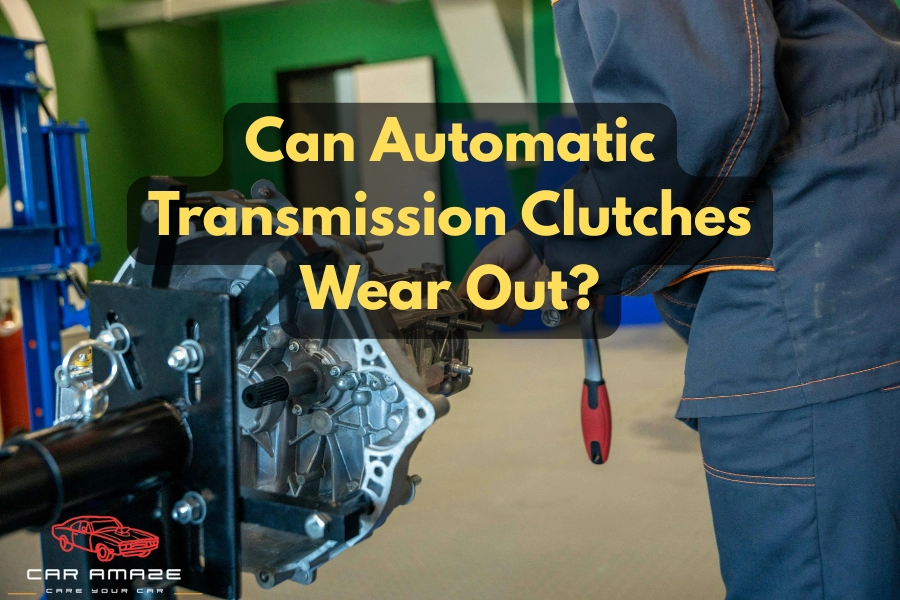
Yes, clutches in automatic cars can wear out over time. Here are the common causes of damage to automatic transmission clutches:
- Car overheat
- Friction
- Dirty or old transmission fluid
Therefore, always keep a check on the signs of a clutch problem to avoid expensive damage. Watch out for these warning signs:
- Slipping gears
- Delayed shifting
- Burning smell
- Jerking or shuddering
If you notice these, get your car checked immediately.
How to Maintain Automatic Transmission Clutches
Proper maintenance can extend the life of your transmission. Here are some of my recommended tips to maintain an automatic transmission:
- Change transmission fluid regularly
- Avoid aggressive driving
- Check for leaks
- Use the correct type of fluid
Regular maintenance can save you from expensive repairs.
Automatic Clutch Replacement Cost & Lifespan
Cost:
Typically $300 to $1200+
Depends on car type and transmission
Lifespan:
The average lifespan of an automatic clutch is around 30,000 to 100,000+ miles. It depends on:
Driving habits
Maintenance
Vehicle type
Pros and Cons of Automatic Cars
Here are the pros of an automatic car transmission:
- Easy to drive
- Smooth gear changes
- Great for city traffic
- Less driver fatigue
But it also has some cons as well. For example:
- More expensive
- Complex repairs
- Less driver control
Conclusion
So, do automatic cars have a clutch? Yes, but not in the way you might think.
Automatic cars don’t have a clutch pedal, but they still use internal clutches, torque converters, or advanced systems to manage power and gear changes.
The exact setup depends on the type of transmission. Clutch and pedal setup is different in traditional automatic, CVT, or dual-clutch system cars.
FAQs
Do automatic cars have a clutch pedal?
No, automatic cars do not have a clutch pedal. The system works automatically. Instead of a pedal, the car uses internal components and electronic controls to manage gear changes without driver input.
What replaces the clutch in automatic cars?
A torque converter or internal clutch packs replace the traditional clutch. These components handle power transfer smoothly and allow the transmission to shift gears automatically without manual effort.
Do CVT transmissions have a clutch?
Some CVTs use a single clutch or torque converter, but not multiple clutch packs. Their design focuses on continuous power delivery using belts and pulleys.
Do dual-clutch transmissions have clutches?
Yes, they use two clutches for faster and smoother gear shifts. One clutch controls odd-numbered gears, while the other handles even-numbered gears, allowing almost instant gear changes.
Can automatic clutches wear out?
Yes, they can wear out due to heat, friction, and poor maintenance. Regular servicing and proper driving habits can significantly extend the lifespan.
What is a lock-up clutch?
It is a clutch inside the torque converter that improves fuel efficiency at higher speeds. It works by directly connecting the engine to the transmission. This way it reduces energy loss and improves performance.
Are electric cars clutchless?
Yes, electric cars do not use clutches because they don’t have traditional transmissions. They use electric motors to deliver power directly to the wheels. They do not need the clutch system.



Attractive section of content I just stumbled upon your blog and in accession capital to assert that I get actually enjoyed account your blog posts Anyway I will be subscribing to your augment and even I achievement you access consistently fast
Thank you so much for your kind words!
I am really glad you enjoyed the article and found it helpful.