
How Long Do Car Batteries Last? Lifespan, Signs, and Tips

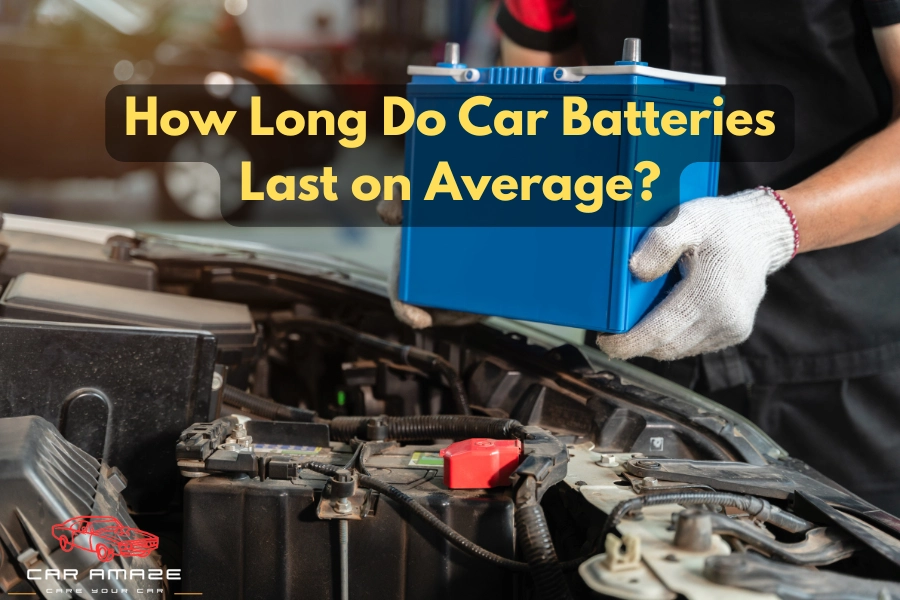
Many car owners are curious about how long car batteries last. This is a common question, and every car owner should be aware of their battery’s condition. If a battery dies unexpectedly, you could get stuck and be unable to move your car. So, how long does a car battery really last? The short answer is 3 to 5 years. Here’s a closer look at car battery lifetime, the warning signs, and tips for battery health.
Table of contents
- How Long Do Car Batteries Last on Average?
- How Long Do Car Batteries Usually Last in Real-World Conditions?
- How Long Are Car Batteries Good For Before Replacement?
- Signs Your Car Battery Is Near the End of Its Life
- How Long Do Electric Car Batteries Last?
- How to Make Your Car Battery Last Longer
- How Often Should You Test or Replace a Car Battery?
- Conclusion
- FAQs
How Long Do Car Batteries Last on Average?
The car battery lifetime varies based on battery model, care, and driving conditions. So, how long does a car battery last? For most gas-powered vehicles, the average car battery life is
- 3 to 5 years under normal driving conditions
- Some last as little as 2 years in extreme climates.
- Others can reach 5–6 years with ideal care.
So if you are asking how long car batteries typically last, 3–5 years is the industry standard. The manufacturers and mechanics agree with this time range.
Once your battery passes the 3-year mark, its lifespan might end at any time.
How Long Do Car Batteries Usually Last in Real-World Conditions?
In reality, the average car battery life varies based on different conditions. Two similar cars with the same batteries can vary due to daily usage style. Here is what affects how long batteries last in a car:
1. Effect of Climate on Car Battery Lifetime
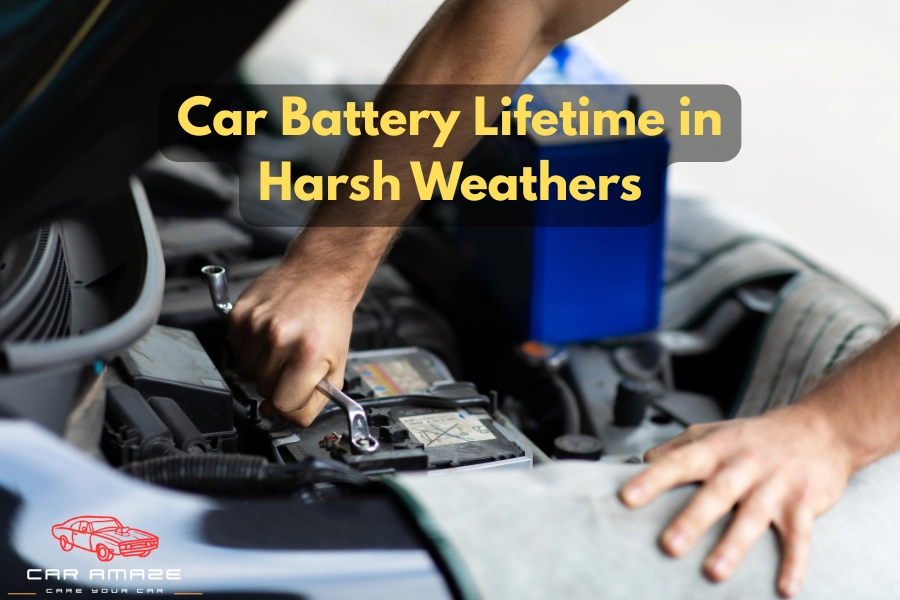
Hot Weather:
The hot weather is one of the biggest enemies of car batteries. The hot environment speeds up the chemical reaction, which reduces the average lifespan of a car battery. Due to this reason, battery life is typically much less in hot regions.
Cold Weather:
In comparison, extreme cold temperatures do not permanently damage the battery but reduce its starting power. Due to this reason, a car struggles to start with a slightly weak or cold battery. If the car is parked in a shaded or closed space, the impact will be less. In an open area, the cold temperature affects the battery’s lifespan more.
So, whenever you start driving the car, check the battery light signal in the car to see if everything is perfect or not.
2. Driving Habits Impact Car Battery Lifespan
The driving habits also play a key role in the average car battery lifetime. Turning on and off the car frequently does not give enough time for the alternator to fully charge the battery. If the vehicle is driven less frequently, it will lose charge and power. If the battery power drops too low, your car will be hard to start and may require a jump start.
Therefore, occasionally keeping the car on for 20-30 minutes keeps the battery charged and healthier.
3. Vehicle Electronics
Modern vehicles constantly draw power, even when turned off. Systems such as infotainment and navigation, safety sensors, and alarm and security systems create a small but continuous electrical drain.
Over time, this continuous drain can weaken the battery. If the car is rarely used or the battery is old, the impact on the battery will be greater.
How Long Are Car Batteries Good For Before Replacement?
Even if a battery still starts the car, it doesn’t mean it’s “healthy.”
General rule of thumb:
- 0–3 years: Usually fine
- 3–4 years: Test regularly
- 5+ years: Replacement should be expected soon
If your battery is over 4 years old, you should plan for replacement, even if it hasn’t failed yet.
Signs Your Car Battery Is Near the End of Its Life
Knowing the warning signs can save you from getting stranded. No matter which car model you have, Toyota, Honda, GMC, Buick, Mercedes, or Audi, the signs will be almost the same. Common symptoms include:
- Slow or delayed engine start
- Clicking sound when turning the key
- Dim headlights or interior lights
- Battery warning light on the dashboard
- Corroded battery terminals
- Warped or swollen battery case
Less obvious sign: If your headlights get brighter when you rev the engine, your alternator may be compensating for a weak battery.
How Long Do Electric Car Batteries Last?
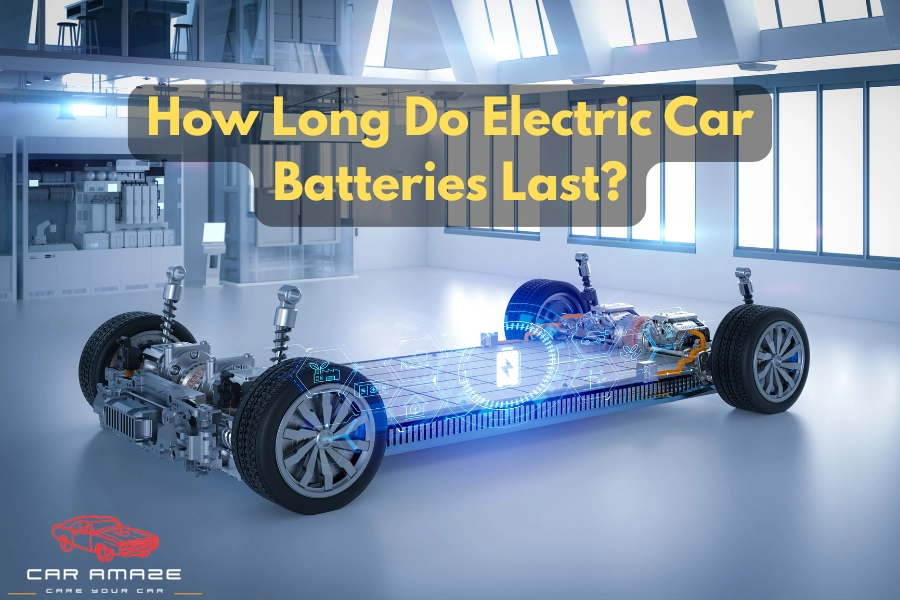
The batteries in electric and hybrid vehicles have different lifespans. The batteries can last 8 to 15 years on average in these vehicles. Many manufacturers warranty EV batteries for 8 years or 100,000 miles. Some good companies’ batteries even last up to 20 years with good maintenance.
Tips to Extend EV Battery Life:
- Keep the charge between 20% and 80%.
- Avoid frequent fast charging.
- Don’t leave the battery at 100% for long periods.
Compared to traditional car batteries, EV batteries are far more durable. The downside is that they are also more expensive to replace.
How to Make Your Car Battery Last Longer
Now you have a clear idea of how long car batteries last. Do you know you can increase the car battery lifetime with some safe steps? Follow these things to increase the average car battery life:
- Drive your car regularly: Drive your car regularly because even short trips help keep the battery active. If possible, aim for a few longer drives each month to fully recharge the battery.
- Take occasional longer drives: Occasional longer drives also keep the battery in good condition. 20–30 minutes on the highway or open road allows the alternator to recharge the battery completely.
- Turn off lights and electronics when the engine is off: Headlights, interior lights, infotainment, and USB chargers draw power even when the car is not running.
- Keep battery terminals clean and corrosion-free: Corrosion is the big enemy of batteries, as it reduces charging and power efficiency. If your battery is corroded, use a wire brush and a mixture of baking soda and water for cleaning.
- Park in a garage or shaded area when possible: As discussed before, extreme heat and cold reduce average battery life. Therefore, keep your car away from direct sunlight or harsh winters to extend battery life.
- Test your battery during routine maintenance: Make a routine to check the voltage and health of the battery.
- Avoid leaving the car idle for too long: if you do not drive often, consider a trickle charger to keep your battery fully charged.
- Check for parasitic drains: Electronics like alarm systems or aftermarket devices can slowly drain your battery. Therefore, do an inspection to identify if there is any device that is excessively draining the battery.
Pro tip: Small habits like these can add months or even years to your battery life.
How Often Should You Test or Replace a Car Battery?
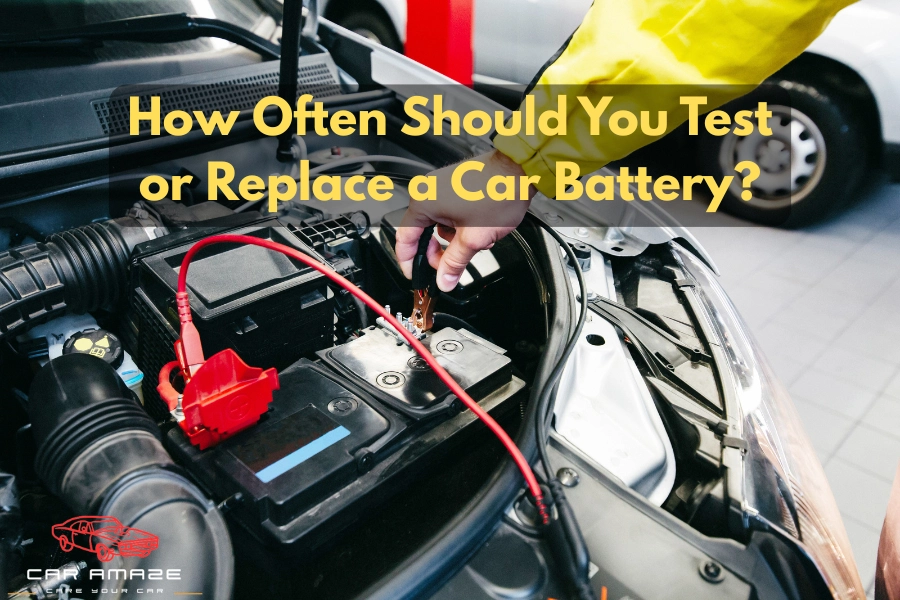
Here is the quick plan of testing and replacing your car battery:
- After 3 years: Test your battery once a year to catch early signs of weakening.
- After 4 years: Test your battery at least twice a year. The best time is before seasonal extremes like hot summers or freezing winters.
- Around 4–5 years: Replace the battery proactively, even if it seems fine. This helps prevent failure during extreme winter or summer conditions.
Why proactive replacement matters
Proactive replacement is beneficial because it saves you from big problems later. A completely dead battery leads to stranded vehicles, towing costs, or expensive jump-starts.
Conclusion
To sum it up:
- Gas-powered cars have a 3–5 year life.
- The real-world average is around 4 years.
- Electric car batteries last around 8–15+ years.
The battery life depends on climate, driving habits, and maintenance. If your battery is aging, test it quickly and replace it if necessary. A healthy battery means reliable starts, fewer breakdowns, and peace of mind every time you turn the key.
FAQs
How long do car batteries last on average?
Most car batteries last 3 to 5 years. The exact lifespan depends on climate, driving habits, and maintenance. Hot weather and frequent short trips can shorten battery life.
How long does a car battery last if the car is not driven often?
If a car is driven infrequently, the battery may last less than 3 years. Batteries slowly lose charge when sitting unused, especially in cold or hot climates.
How long do car batteries typically last in hot or cold climates?
In extreme heat or cold, car batteries often last 2 to 4 years. Heat accelerates chemical wear, while cold reduces starting power in aging batteries.
How long are car batteries good for before replacement is needed?
Most car batteries are reliable for about 4 years. After that, regular testing is recommended, and replacement should be planned to avoid sudden failure.
How long do electric car batteries last?
Electric car batteries typically last 8 to 15 years or more. Many EV manufacturers provide warranties of 8 years or 100,000 miles.
What are the signs that a car battery is going bad?
Common signs include slow engine cranking, dim headlights, dashboard warning lights, clicking sounds when starting, and corroded battery terminals.
Can a car battery last more than 5 years?
Yes, with proper care, moderate climate conditions, and regular driving, some car batteries can last 5 to 6 years, though this is above average.