Engine Components, Types of Engines, and Engine Definition


An engine is the heart of cars and other machines because it produces motion and power. Engines are used in cars, bikes, ships, airplanes, and all other industrial machinery. In this guide, I will discuss in detail engine definition, engine meaning, engine components, types of engines from different perspectives, and more data about engines.
Quick Overview: Engine, Engine Components, and Engine Types 📄
What Is an Engine?
An engine is a machine that converts fuel or electricity into mechanical power to move vehicles or operate machines. It’s the heart of cars, motorcycles, ships, and industrial equipment.
Engine Meaning and Definition
In engineering, an engine is a device that transforms energy into mechanical work. In everyday use, it refers to any machine that powers motion, including motor engines and electric motors.
Main Engine Components
Key engine components include the cylinder block, pistons, crankshaft, camshaft, valves, spark plugs or fuel injectors, and supporting systems like cooling, lubrication, and intake/exhaust.
Types of Engines
Engines are classified by fuel (petrol, diesel, electric, or hybrid), design (internal or external combustion), operation (two-stroke or four-stroke), cooling (air or water), and cylinder arrangement (inline, V-type, or radial).
Table of contents
- What Is an Engine, and Why Is It Important?
- Engine Meaning in Mechanical and Automotive Contexts
- What Is an Engine? (Engine Definition and Meaning)
- What Is a Motor Engine?
- Engine Components Explained
- Types of Engines: Complete Classification
- Difference Between Engine Types
- Advantages and Disadvantages of Different Engine Types
- Future of Engine Technology
- Conclusion
- FAQs
What Is an Engine, and Why Is It Important?
An engine is a machine designed to convert energy into mechanical power. That power is then used to move cars, operate machines, vehicles, or generate electricity.
- Engines are important because they:
- Enable transportation.
- Power industries and factories
- Support agriculture and construction.
- Drive technological and economic growth.
It is impossible to drive transportation and run large-scale industrial machinery without an engine.
Engine Meaning in Mechanical and Automotive Contexts
In mechanical terms, an engine converts fuel or electrical energy into motion.
On the other hand, in automotive contexts, the engine is the primary power source that drives the wheel and moves the vehicle through a transmission system.
What Is an Engine? (Engine Definition and Meaning)
What Is an Engine: Simple Explanation
An engine is a machine that takes energy (fuel or electricity) and turns it into movement.
Engine Definition in Engineering
An engine is a mechanical device that converts thermal, chemical, or electrical energy into mechanical work through controlled processes.
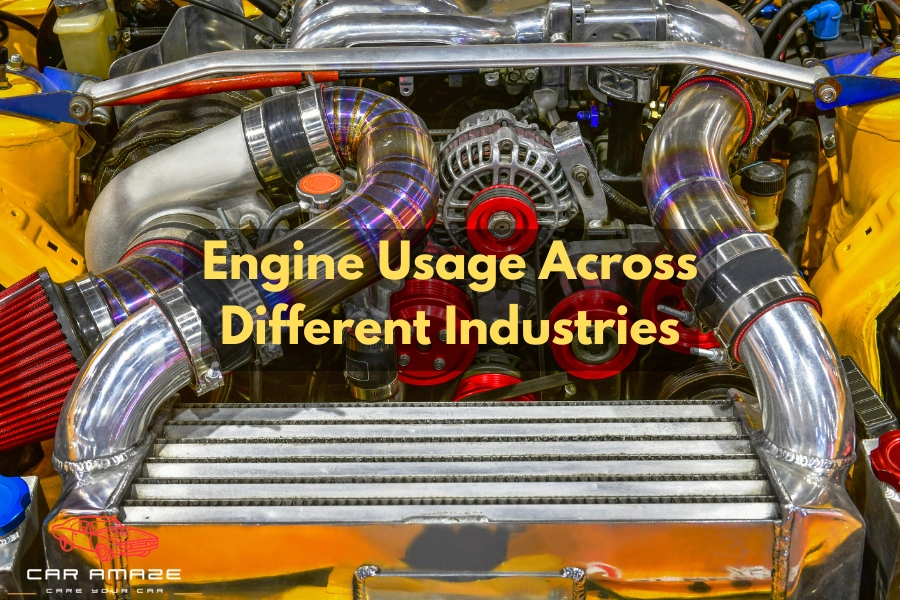
Engine Usage Across Different Industries
- Automotive: Powers vehicles
- Industrial: Runs machines and generators
- Marine: Drives ships and boats
- Aviation: Provides thrust for aircraft
Motor Engine vs. Engine: Is There a Difference?
- The terms are often used interchangeably in everyday language. Technically, a motor is any machine that converts energy into mechanical motion, while an engine is a type of motor that typically uses heat or combustion to produce power.
- Electric devices are usually called motors, while fuel-burning machines are usually called engines.
- The phrase “motor engine” is redundant but common in casual speech.
Understanding Motor Engine Basics
What Is a Motor Engine?
A motor engine is a general term used to describe machines that produce motion, including fuel-based engines and electric motors.
How a Motor Engine Works
- Energy is supplied (fuel or electricity)
- Internal components convert energy into motion
- Motion is transferred to wheels, blades, or machines
Motor Engine Applications
- Cars and motorcycles
- Electric vehicles
- Industrial equipment
- Household appliances
Engine Components Explained
Now we have discussed what an engine is, its meaning, and its overall working and purpose. Here, I have highlighted the key engine components in a group of two main and supporting components:
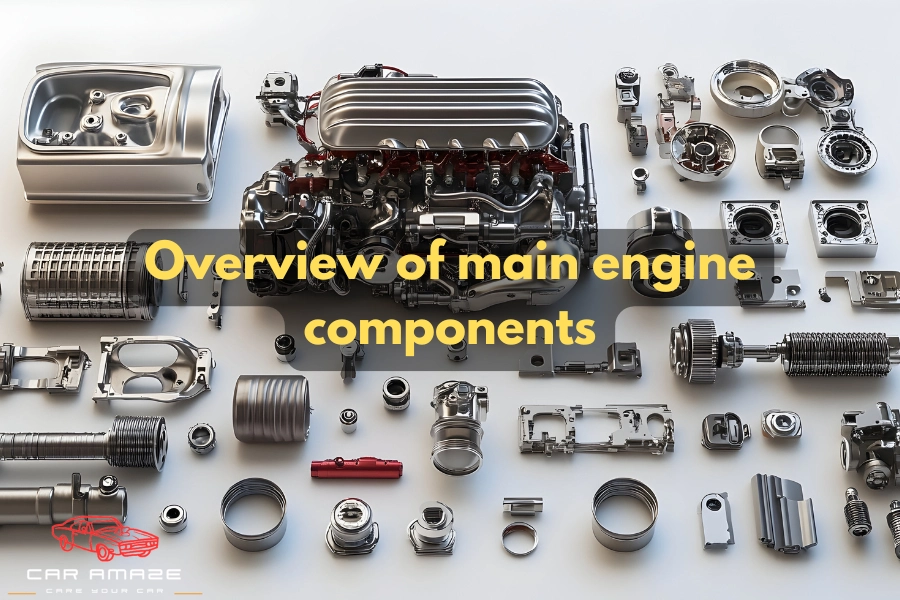
Overview of Main Engine Components
Engine components work together to generate power, control combustion, and manage heat and lubrication. Here are the major engine components and their functions:
Cylinder Block
The main structure of the engine that houses the cylinders and internal passages. The cylinder also has channels for coolant and oil. These channels help in regulating engine temperature and reducing wear.
Pistons
Pistons play a key role in transferring combustion force. Their up-and-down motion inside the cylinder compresses the air-fuel mixture and then delivers power to the crankshaft.
Crankshaft
It converts piston motion into rotational movement. This rotation ultimately powers the wheels of the car and other engine components.
Camshaft
This engine component controls the opening and closing of valves. It is precisely timed with the crankshaft to ensure efficient engine operation.
Valves
The key role of valves is to regulate air intake and exhaust gases. Proper valve timing allows the engine to breathe efficiently and maintain performance.
Spark Plug or Fuel Injector
These engine components help in the startup and running of the engine.
- Spark plugs create an electric spark that ignites fuel in petrol engines. This spark starts the combustion process that powers the engine.
- The fuel injector sprays fuel into the combustion chamber in a fine mist. This improves fuel efficiency, engine performance, and emissions control.
Supporting Engine Components
Here are the important supporting components of the engine:
Cooling System Components
These play a role in the cooling of the engine and include the radiator, coolant, and water pump to prevent overheating.
Lubrication System Components
The lubrication components, including the oil pump, oil filter, and oil passages, reduce friction.
Intake and Exhaust Components
Allow air in and gases out efficiently.
Types of Engines: Complete Classification
There is no one standalone engine type. Engines are classified based on fuel, design, operation, cooling, and cylinder arrangement. Here is the overview of all types of engines:
Types of Engines Based on Fuel
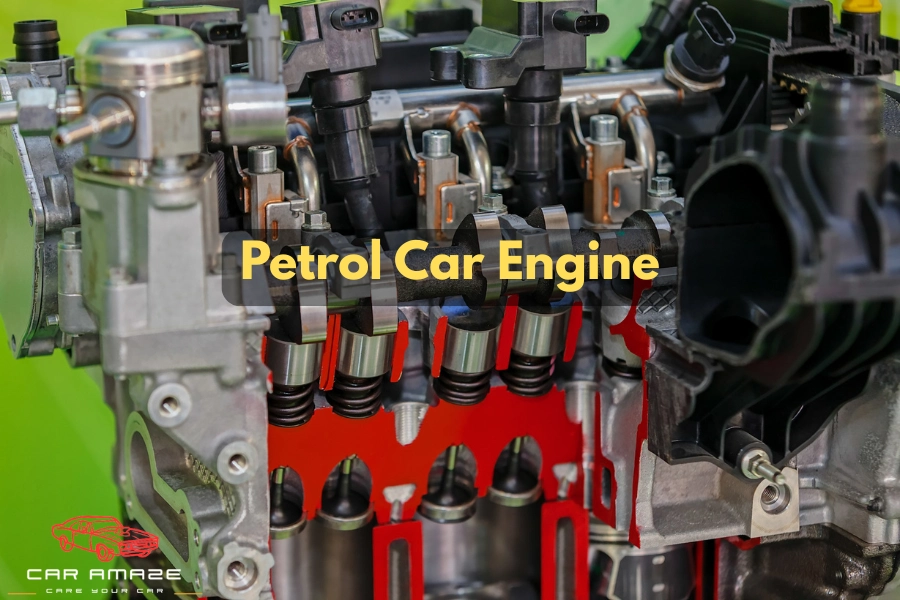
Petrol Engine
A petrol engine uses gasoline and spark ignition. These are very common in cars and bikes. Petrol engines provide smooth operation and quicker acceleration. Moreover, they generally produce less noise than diesel engines.
Diesel Engine
This diesel engine type uses diesel fuel and compression ignition. Diesel engines are best for durability and efficiency. Due to its higher torque, it is ideal for heavy vehicles. Diesel engines usually have better fuel economy than petrol engines.
Gas Engine
Runs on natural gas or LPG, often used in commercial vehicles. It produces fewer emissions compared to petrol and diesel engines. Gas engines are considered more environmentally friendly and cost-effective in the long run.
Electric Motor Engine
It is one of the different engine types that uses electricity instead of fuel. Zero emissions during operation. It is very energy-efficient and requires less maintenance due to fewer moving parts. Electric motor engines are commonly used in electric vehicles and modern transport systems.

Hybrid Engine
As the name suggests, it combines internal combustion and electric motor systems. It combines both electric and fuel power sources to improve efficiency. Hybrid engines reduce fuel consumption and emissions compared to conventional engines.
Types of Engines Based on Design
The engines also vary based on their design or architecture.
- One engine type based on design is the internal combustion engine, in which fuel burns inside the engine cylinder.
- The second one is the external combustion engine, in which fuel burns outside the engine (e.g., steam engines).
Engine Types Based on Operation
There are also engine types based on operation or stroke.
- Two-Stroke Engine: Completes a power cycle in two strokes. These are lightweight but less efficient.
- Four-Stroke Engine: Completes a cycle in four strokes. These are more efficient and durable than the 2-stroke engine type.
Engine Types Based on Cooling System
You might be surprised that engines are also distinguished based on the cooling system.
Air-Cooled Engine
Some cars or machinery use air-cooled engines that use airflow to cool engine parts.
Water-Cooled Engine
Most of the vehicles today use water-cooled engines, which use coolant for better temperature control.
The right cooling system is necessary to avoid car overheating during idle or running conditions. Choosing between an air-cooled or water-cooled engine depends on factors such as climate, performance requirements, and vehicle usage.
Engine Types Based on Cylinder Arrangement
Finally, one of the most important categorizations of engine types is based on the number of cylinders and their arrangement pattern.

- Single Cylinder Engine: Simple and cost-effective, used in small machines.
- Multi-Cylinder Engine: Offers smoother performance and higher power.
- Inline Engine: Cylinders arranged in a straight line.
- V-Type Engine: Cylinders arranged in a V shape for compact power.
- Radial Engine: Cylinders arranged in a circular pattern, used in aircraft.
Other than all these types, some cars come with the engine in the back, while others have the engine in the front position. The engine placement affects vehicle handling, weight distribution, and overall performance.
Difference Between Engine Types
Below is the differentiation of the engine types based on a comparison by efficiency and application:
Comparison of Engine Types by Efficiency
- Electric engines have the highest efficiency. They convert most of the electrical energy directly into useful mechanical power with very little energy loss.
- Diesel engines offer better fuel economy than petrol engines. Due to this reason, diesel engines are more efficient for long-distance and heavy-load operations.
- Petrol engines provide balanced performance. They offer a good combination of power, efficiency, and smooth operation for everyday use.
Comparison of Engine Types by Application
- Cars commonly use petrol, diesel, or electric engines. The reason behind this is performance needs, fuel efficiency, and environmental considerations.
- Ships mainly use diesel engines because they are powerful, durable, and suitable for long-duration operation at sea.
- Aircraft use turbine and radial engines, as they provide high power output and reliable performance at high speeds and altitudes.
- Industrial applications typically use diesel engines and electric motors due to their reliability, efficiency, and ability to operate continuously.
Advantages and Disadvantages of Different Engine Types
Till now, we have discussed engine definition, types of engines, and engine components. Here are some pros and cons of some engine types:
Benefits of Internal Combustion Engines
- High power output
- Proven technology
- Wide fuel availability
Limitations of Conventional Engines
- Emissions
- Fuel dependency
- Mechanical wear
Advantages of Modern Motor Engines
- Better efficiency
- Lower emissions
- Smart engine management systems
Future of Engine Technology
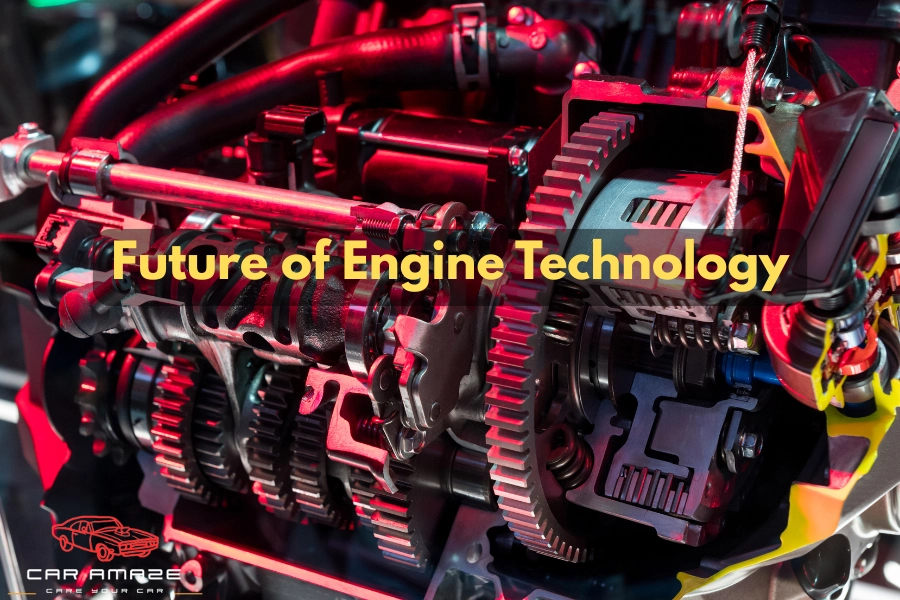
The engine technology is constantly evolving day by day. The focus is on increasing the engine performance and fuel efficiency.
Here is the evolution of engine components.
- Lightweight materials
- Improved fuel injection
- Advanced cooling systems
With the passage of time, many advanced engine types and innovations have been built. For example:
- Hydrogen engines
- High-efficiency hybrids
- Smart electric motors
Moreover, many automotive industries are shifting towards electric and hybrid motor engines. The global focus is moving toward sustainable and low-emission engine technologies.
Conclusion
An engine is a machine that converts energy into mechanical power, forming the foundation of transportation and industry. Engines consist of multiple critical components. Different engine types serve different purposes. Technology is rapidly shifting toward electric and hybrid engines. Understanding engine basics helps in smarter usage and maintenance.
FAQs
What is an engine in simple words?
An engine is a machine that converts fuel or electrical energy into mechanical power to move vehicles or operate machines.
What are the main engine components?
The main engine components include the cylinder block, pistons, crankshaft, camshaft, valves, spark plug or fuel injector, cooling system, and lubrication system.
What are the different types of engines?
Common engine types include petrol engines, diesel engines, gas engines, electric motor engines, hybrid engines, internal combustion engines, and external combustion engines.
What is the difference between a motor engine and an engine?
An engine usually runs on fuel and combustion, while a motor typically runs on electricity. In daily use, both terms are often used interchangeably.
Which engine type is best for the future?
Electric and hybrid engines are considered the future due to higher efficiency, lower emissions, and reduced dependence on fossil fuels.