What Does TPMS Mean on a Car? (Simple Explanation)

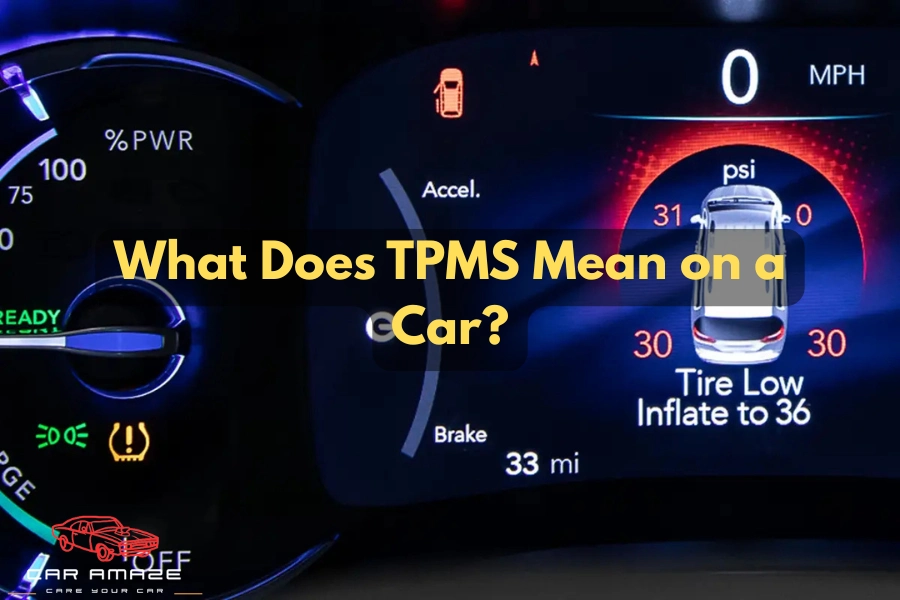
Sometimes a small yellow symbol that looks like a horseshoe with an exclamation mark (!) appears on the car dashboard. The name of this symbol is TPMS (Tire Pressure Monitoring System). But the question of many drivers is, what does TPMS mean on a car? Many drivers get confused when the TPMS symbol appears and think:
- What does TPMS mean on a car?
- Is it dangerous?
- Do I need to stop driving?
I have prepared this guide to let you know how TPMS works, why it appears, common reasons, steps to take, and more.
Table of contents
- What is TPMS, and Why Is It important?
- How Does TPMS Work in Your Car?
- What Does the TPMS Light Look Like in a Car?
- Common Reasons Why Your TPMS Light Turns On
- What to Do When the TPMS Light Comes On in the Car
- Benefits of Fixing TPMS Issues Quickly
- Conclusion
- FAQs
What is TPMS, and why is it important?
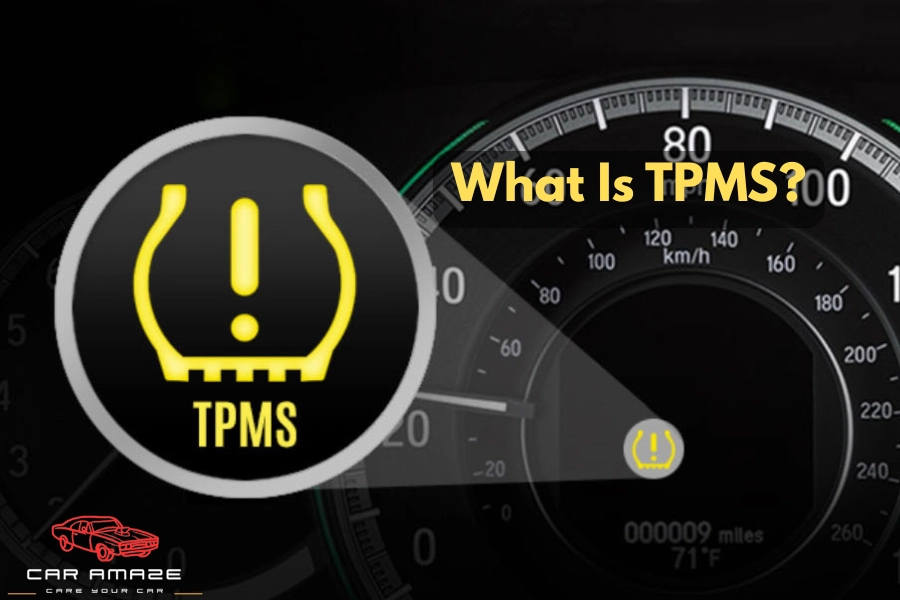
TPMS stands for Tire Pressure Monitoring System, and it checks the air pressure inside each tire. The TPMS warning turns on in the dashboard if the air pressure becomes too low or too high. The key role of this tire pressure warning light is to keep you safe and avoid problems like tire damage. In simple words, the TPMS warning light says that “your tire needs attention.”
If a tire doesn’t have the right amount of air, it can cause:
- Poor braking
- Bad handling
- Extra fuel usage
- Faster tire wear
- Risk of tire bursting (blowout)
The TPMS light helps prevent all that by warning you early. This way, TPMS acts as a built-in security feature in your car.
How Does TPMS Work in Your Car?
The key thing to understand is how TPMS works. It has sensors that can check the air pressure inside each tire. These sensors send signals to your dashboard. If something is wrong, the TPMS light turns on.
Types of TPMS in Your Car
There are two main types of TPMS systems:
Direct TPMS
It is a special sensor inside each tire that measures the pressure. Direct TPMS is very accurate and common in modern cars.
Indirect TPMS
There is also an indirect TPMS sensor, which uses wheel speed to guess if a tire is low. It is less accurate but cheaper.
The key thing to note is that both types of TPMS sensors turn on the light in the dashboard if something is wrong.
What Does the TPMS Light Look Like in a Car?
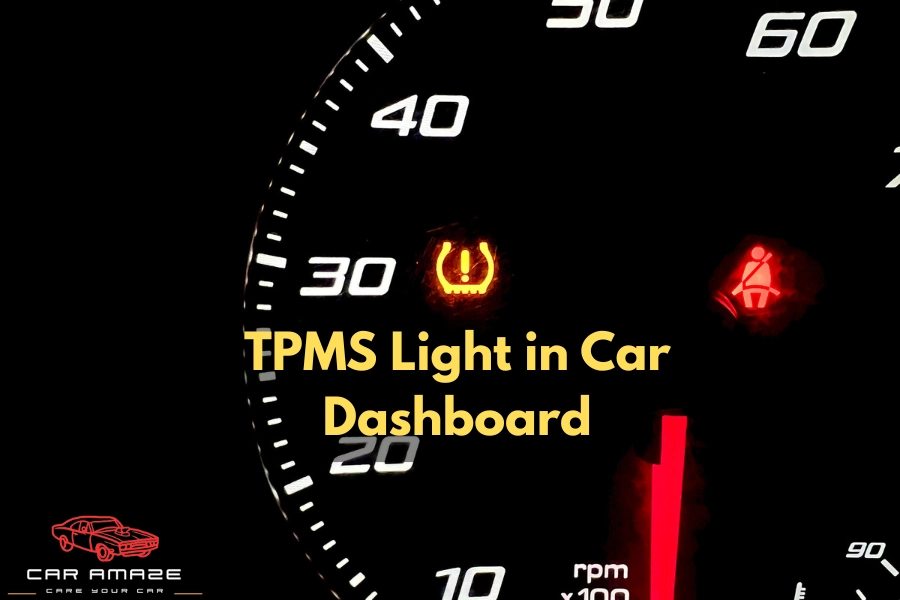
The TPMS light has the following two forms:
- Solid TPMS Light: A solid yellow symbol means one or more tires have low pressure.
- Flashing TPMS Light: If the TPMS light blinks for 30–60 seconds on car startup and then stays solid, it indicates the following things:
- A sensor is broken.
- The sensor battery is low.
- System needs a reset.
- The TPMS module has a problem.
In short, a solid light is a warning of low or high tire pressure. In comparison, the flashing light indicates a system warning.
What Does TPMS Mean on a Car Dashboard?
On your dashboard, the TPMS warning simply means that air pressure in tires is wrong. Sometimes it is due to sensor issues or temperature changes.
Common Reasons Why Your TPMS Light Turns On
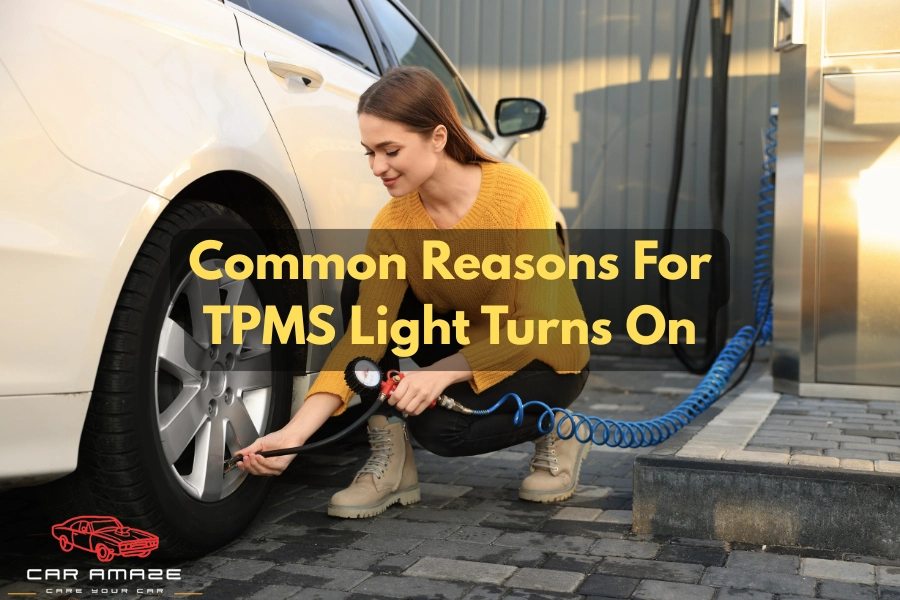
Let’s discuss the key reasons for the turning on of the TPMS light. Here are the 6 key reasons behind the TPMS light indication:
1. Low Tire Pressure (Most Common)
This is the number one reason. Tires naturally lose air over time. You may notice the light when:
- The weather suddenly gets cold.
- You hit a pothole.
- Your tire has a slow leak.
- You have not checked the pressure in months.
Fix: The fix is easy. Check all tires and fix the air pressure.
2. A Tire Has a Puncture or Leak
Even a tiny nail can leak air slowly. If the TPMS light comes back on after filling the tire, inspect for punctures.
3. Weather or Temperature Changes
Did you know? Every 10°F or 6°C drop in temperature can reduce your tire pressure by 1–2 PSI. Therefore, the TPMS light usually turns on in cars in cold weather due to low air pressure.
Fix: You can add a small amount of air. If the air pressure is not too low, start driving the car. After some time, the tires will warm up, and air pressure will be adjusted automatically.
4. Faulty TPMS Sensor
TPMS sensors can fail due to:
- Age
- Damage
- Water exposure
- Corrosion inside the wheels
If the light keeps blinking or will not turn off, a sensor might be broken.
5. Low Battery in TPMS Sensor
Each TPMS sensor has a small built-in battery. These batteries usually last 5–10 years. If the battery dies, the sensor stops working, and the warning light appears.
Fix: Replace the sensor (battery cannot be replaced separately).
6. TPMS System Needs Resetting
The TPMS system requires resetting after every tire rotation, tire replacement, pressure adjustment, and seasonal tire change.
What to Do When the TPMS Light Comes On in the Car (Step-by-Step)
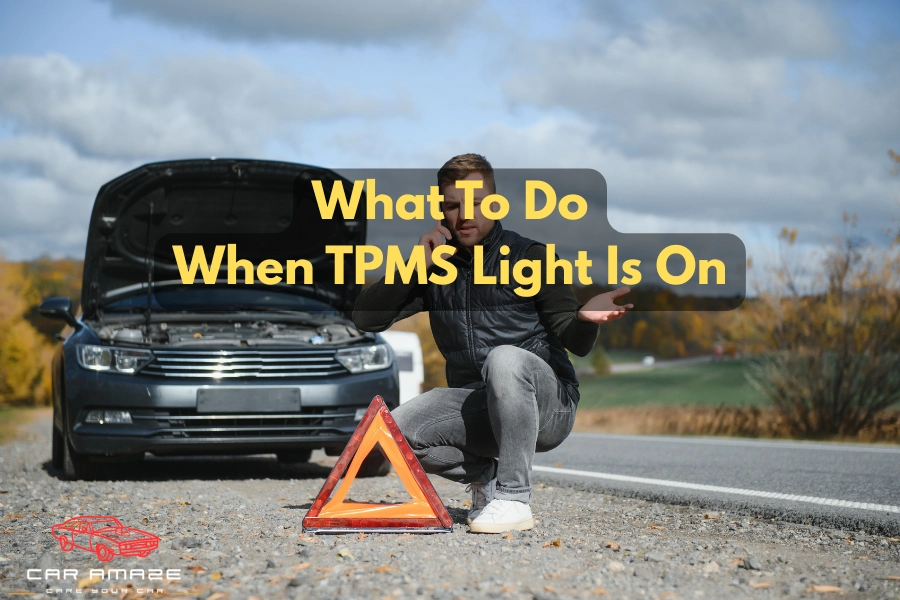
When the TPMS light turns on in your car, take the following actions:
- Step 1: Find a Safe Place to Stop: Don’t panic. The car can still move, but you must check your tires soon.
- Step 2: Check Tire Pressure Using a Gauge: Use a simple tire pressure gauge or a digital one to measure tire pressure. Make sure tire pressure matches the recommended PSI on your car door sticker.
- Step 3: Inflate the Tire to the Correct PSI: Most cars need 32–35 PSI, but always follow the instructions on YOUR car’s sticker.
- Step 4: Drive for a Few Minutes: The TPMS light usually turns off automatically once the pressure is correct.
- Step 5: Reset the TPMS System (If Needed): Some cars require a manual reset, which is a simple process. Otherwise, you can check the online guide or your car manual.
- Step 6: Visit a Tire Shop.: If the light is still on, go to a mechanic. They will check if there are any leaks, sensors, battery issues, or system faults.
Please make sure that you see the TPMS light and you are not confused with some other light. The dashboard also contains many other indicator lights like the battery light, door open, seat belt, etc.
Is It Safe to Drive With the TPMS Light On?
It depends on the situation. Here are three scenarios:
- NOT SAFE if the tire is very low or flat. Driving could damage the tire and rim or even cause an accident.
- Not recommended to drive if you have not checked your tires yet. Your car may handle poorly.
- Safe to drive for a short time if you confirm the tires are okay. But you still fix it soon.
Benefits of Fixing TPMS Issues Quickly
Fixing TPMS problems helps you:
- Save money on fuel.
- Prevent tire blowouts.
- Avoid uneven tire wear.
- Improve car handling.
- Keep your family safe.
Ignoring the TPMS light is never a good idea.
How to Prevent TPMS Warnings in the Future
Here are some simple habits that help you prevent TPMS warning lights in the future:
- Check tire pressure every 2–3 weeks.
- Add air before long trips.
- Check tires during weather changes.
- Avoid potholes and curbs.
- Rotate tires regularly.
- Replace old or weak sensors.
Summary and Key Takeaways
Here is the quick summary of the TPMS warning light in your car:
TPMS stands for Tire Pressure Monitoring System. But what does TPMS mean on a car? It warns you when your tire pressure is wrong. Most of the time, the tire pressure warning light means low pressure. Cold weather, leaks, or sensor problems can also trigger the light. Check and inflate your tires, then reset the system if needed. Driving with the TPMS light on is risky, so fix it soon.
FAQs
1. What does TPMS mean?
TPMS stands for Tire Pressure Monitoring System, a safety system that checks your tire pressure.
2. What does TPMS mean on a car dashboard?
It means one or more tires need air, or the tire sensors need attention.
3. Is TPMS the same as the tire pressure light?
Yes. The TPMS warning light is the symbol that alerts you when pressure is low.
4. What does “Check TPMS” mean?
This message tells you the system has a problem, often a dead sensor or system fault.
5. Can I drive with the TPMS light on?
Short distances are okay, but check your tires soon to stay safe.
6. How do I turn off the TPMS light?
Fix the tire pressure, then drive for a few minutes. If it stays on, reset the system or check the sensors.
7. Does cold weather make the TPMS light turn on?
Yes. Cold temperatures lower air pressure and can trigger the warning.mechanic and get his opinion.