Car Washer Fluid Symbol: Meaning, Warning & What to Do

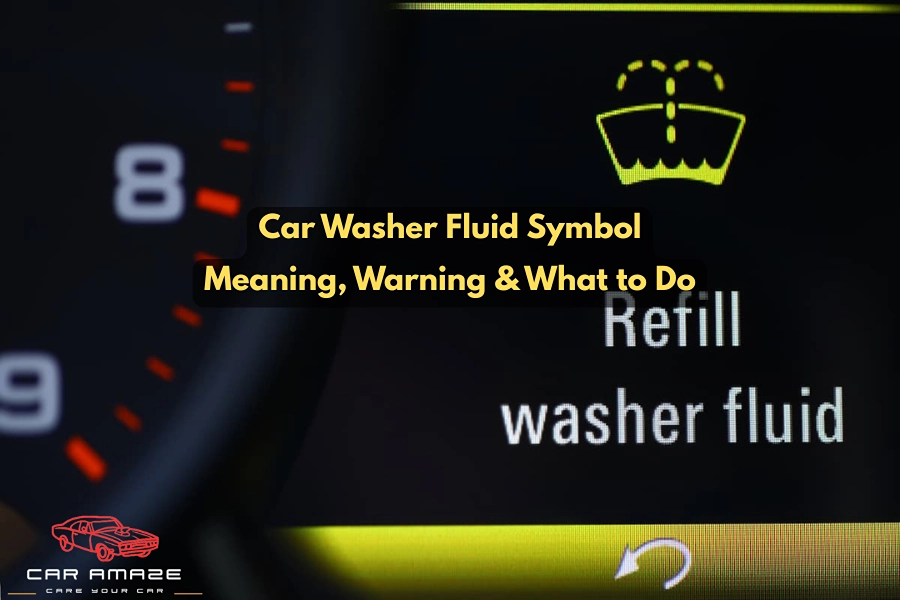
A warning light on your dashboard can be confusing, especially if you’re not sure what it means. The car washer fluid symbol is one of the easier warnings to fix, but ignoring it can leave you struggling to see through a dirty windshield during rain, snow, or dusty conditions. Knowing what the symbol means and how to respond helps keep your visibility clear and your drive safer.
Table of contents
- What Does the Car Washer Fluid Symbol Mean?
- Why Does the Washer Fluid Warning Light Turn On?
- Can You Drive With the Car Washer Fluid Symbol On?
- Where Is the Washer Fluid Reservoir?
- How to Refill Windshield Washer Fluid
- What Type of Washer Fluid Should You Use?
- Can You Use Water Instead of Washer Fluid?
- Why Is the Washer Fluid Symbol Still On After Refilling?
- Common Mistakes to Avoid
- Car Washer Fluid Symbol vs. Other Dashboard Warning Lights
- Tips to Keep Your Washer System Working Properly
- Conclusion
- FAQs
What Does the Car Washer Fluid Symbol Mean?
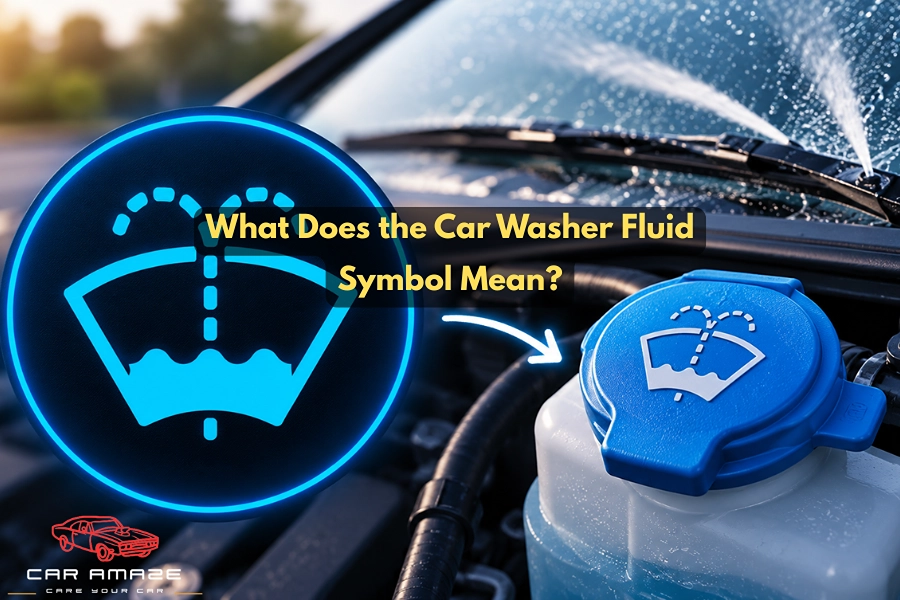
The car washer fluid symbol indicates that the windshield washer fluid level is low. When the reservoir doesn’t contain enough fluid, your vehicle turns on this warning to remind you to refill it.
Washer fluid is sprayed onto the windshield whenever you activate the windshield washers. It helps remove:
- Dirt
- Dust
- Mud
- Bird droppings
- Road salt
- Insects
Without enough washer fluid, your windshield may become difficult to clean, reducing visibility while driving. Therefore, the washer fluid should be full to clean the car window properly.
Although this warning isn’t as urgent as low oil pressure or an overheating engine, it should still be addressed before driving in conditions where a clean windshield is essential.
What Does the Car Washer Fluid Symbol Look Like?
Most manufacturers use nearly the same symbol, making it easy to recognize regardless of the vehicle you drive.
The symbol usually shows:
- A windshield
- A pair of spray lines or droplets
- A curved line representing washer fluid spraying onto the glass
Some dashboard displays show the symbol in yellow or amber, while others may include a short message such as “Low Washer Fluid.”
Because the design is standardized across many manufacturers, drivers can usually recognize it immediately after seeing it once.
Dashboard Warning vs. Reservoir Cap Symbol
Many drivers confuse these two symbols.
The dashboard warning light appears when the washer fluid level becomes low.
The reservoir cap symbol is printed on the blue or black cap under the hood to help you locate the correct filling point.
Although they look very similar, they serve different purposes.
| Symbol | Purpose |
| Dashboard washer fluid symbol | Warns that the fluid level is low |
| Washer reservoir cap symbol | Identifies where washer fluid should be added |
This small difference often causes confusion, especially for first-time vehicle owners.
Do All Cars Use the Same Washer Fluid Symbol?
Most manufacturers use nearly identical symbols because they follow internationally recognized dashboard icon standards.
Whether you drive a:
- Toyota
- Honda
- Hyundai
- Kia
- Ford
- Chevrolet
- Nissan
- Volkswagen
- BMW
- Mercedes-Benz
the symbol usually has the same basic design.
The location of the warning may vary depending on your instrument cluster, but its meaning remains the same.
If you’re unsure about any dashboard indicator, Car Amaze’s guide to Automatic Car Symbols can help you identify other common warning lights.
Why Does the Washer Fluid Warning Light Turn On?
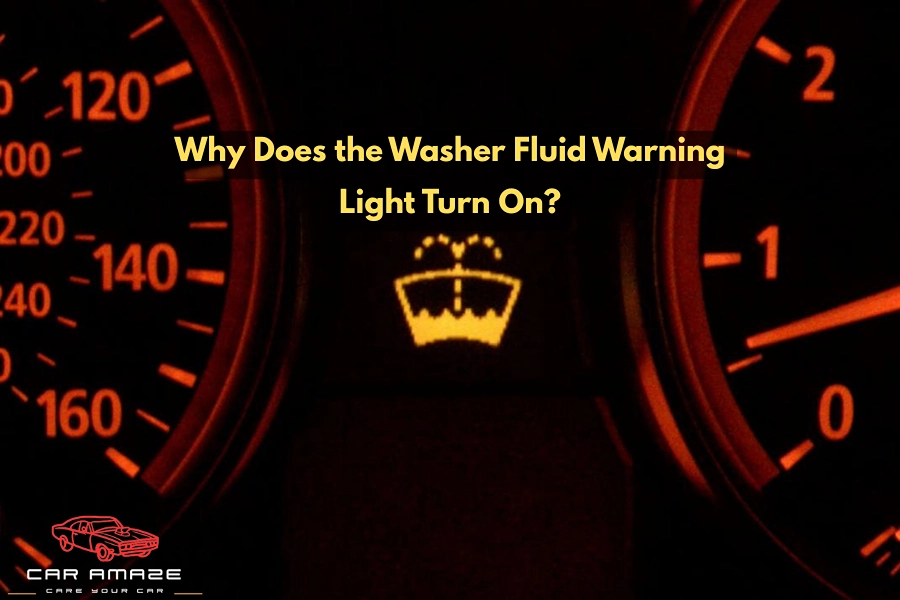
Low washer fluid is the most common reason, but it isn’t the only one. Several issues can trigger the warning.
Low Washer Fluid
This is the simplest explanation. Every time you clean your windshield, the fluid level drops slightly. After weeks or months of use, the reservoir eventually becomes low enough to activate the warning light.
Simply refilling the reservoir usually clears the warning within a few moments.
A Faulty Fluid Level Sensor
Many modern vehicles use a sensor inside the washer fluid reservoir. If this sensor fails, it may continue displaying the warning even after you’ve completely filled the reservoir.
A mechanic can test the sensor and determine whether it needs replacement.
A Washer Fluid Leak
If the warning returns shortly after filling the reservoir, there may be a leak somewhere in the system. Common leak locations include:
- Cracked reservoir
- Damaged hose
- Loose hose connection
- Faulty washer pump
A puddle beneath the front of the vehicle or rapidly disappearing fluid can indicate a leak. So, whenever you start driving the car, it’s good to check car fluids.
Frozen Washer Fluid
During winter, plain water or summer washer fluid can freeze inside the reservoir or washer lines. When this happens, the system may not work correctly even if the reservoir appears full.
Using winter-rated washer fluid helps prevent freezing in cold climates. During harsh weather, defrosting and defogging car windshields is also affected.
Can You Drive With the Car Washer Fluid Symbol On?

Yes, you can usually continue driving if the washer fluid car symbol appears.
Unlike engine oil or brake warnings, this light doesn’t indicate that the vehicle will suffer mechanical damage. However, driving with an empty washer fluid reservoir can become a safety issue if your windshield becomes dirty.
Situations where washer fluid is especially important include:
- Heavy rain
- Snow
- Dust storms
- Muddy roads
- Highways with insects
- Winter road salt
If you cannot clean your windshield properly, your visibility may become dangerously reduced.
For that reason, it’s best to refill the reservoir as soon as possible rather than waiting until your next service.
Where Is the Washer Fluid Reservoir?
Finding the washer fluid reservoir is usually easy.
After opening the hood, look near the front corners of the engine bay.
The reservoir cap is commonly:
- Blue
- Black
- Yellow
Most caps display the same car window washer fluid symbol shown on your dashboard, making it easy to identify the correct opening.
Be careful not to confuse it with the coolant reservoir or brake fluid reservoir. Adding washer fluid to the wrong container can cause expensive damage.
How to Refill Windshield Washer Fluid
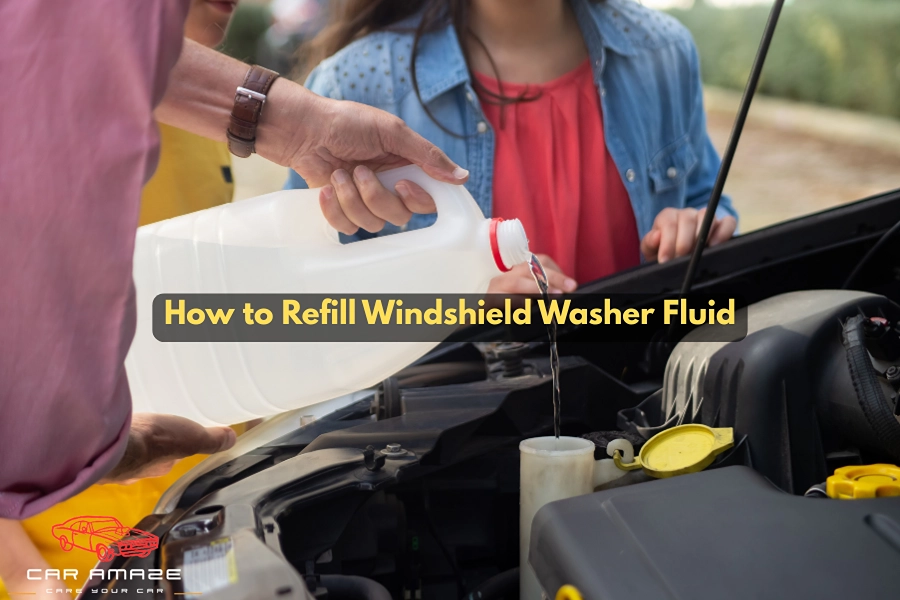
Refilling windshield washer fluid is one of the easiest maintenance tasks you can do yourself. It only takes a few minutes and requires no special tools.
Step 1: Park and Turn Off the Engine
Park your vehicle on a level surface and switch off the engine. Allow the engine bay to cool if you’ve been driving for a while.
Step 2: Open the Hood
Pull the hood release lever inside the vehicle and secure the hood with the support rod if your vehicle doesn’t have hydraulic struts.
Step 3: Locate the Washer Fluid Reservoir
Find the reservoir with a cap displaying the washer fluid for the car symbol. The cap is usually blue, black, or yellow and is often located near the front of the engine compartment.
Always verify that you’ve found the correct reservoir before adding any fluid.
Step 4: Add Washer Fluid
Open the cap and slowly pour the washer fluid into the reservoir.
Most reservoirs don’t have a precise “Full” line, so continue filling until the level reaches near the top without overflowing.
Using a funnel can help prevent spills, although it isn’t required.
Step 5: Close the Cap
Secure the cap firmly to keep dirt and moisture out of the reservoir.
Step 6: Test the System
Start the vehicle and activate the windshield washers.
The washer fluid should spray evenly across the windshield, and the washer fluid symbol car warning should disappear shortly afterward if low fluid was the cause.
What Type of Washer Fluid Should You Use?
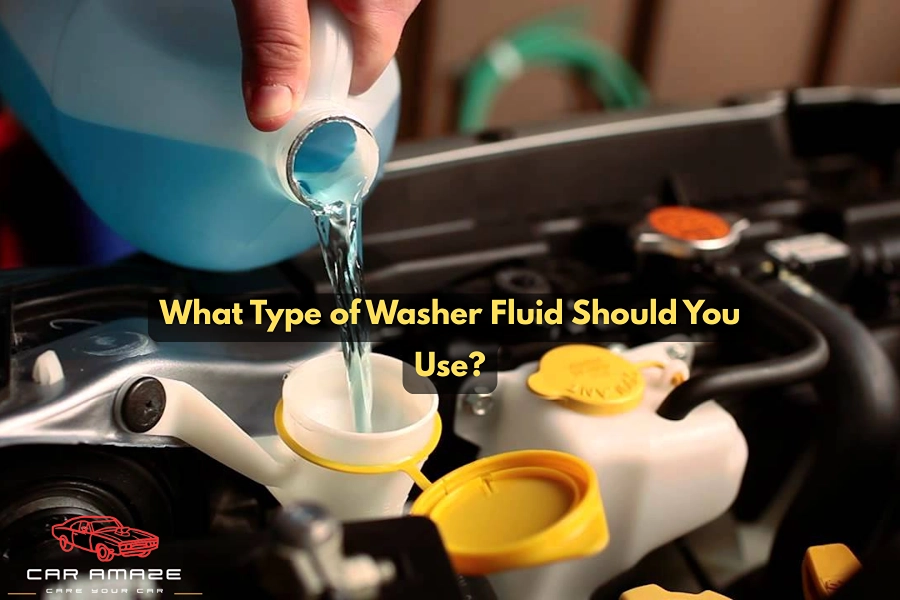
Not all washer fluids are made for the same driving conditions. Choosing the right product helps improve visibility and protects the washer system throughout the year.
All-Season Washer Fluid
This is the most common option. It works well in mild climates and removes:
- Dust
- Dirt
- Light road grime
- Pollen
For many drivers, an all-season formula is suitable for everyday use.
Winter Washer Fluid
Winter blends contain ingredients that resist freezing. They’re designed to remove:
- Snow
- Ice
- Road salt
- Slush
If temperatures regularly fall below freezing where you live, winter washer fluid is the better choice.
Bug Remover Washer Fluid
Long highway trips often leave insect residue on the windshield. Bug remover formulas help loosen dried insects more effectively than standard washer fluid, reducing the amount of scrubbing needed.
Water-Repellent Washer Fluid
Some premium washer fluids leave behind a thin coating that encourages rainwater to bead and roll off the windshield. This can improve visibility during wet weather and reduce wiper streaks.
Can You Use Water Instead of Washer Fluid?
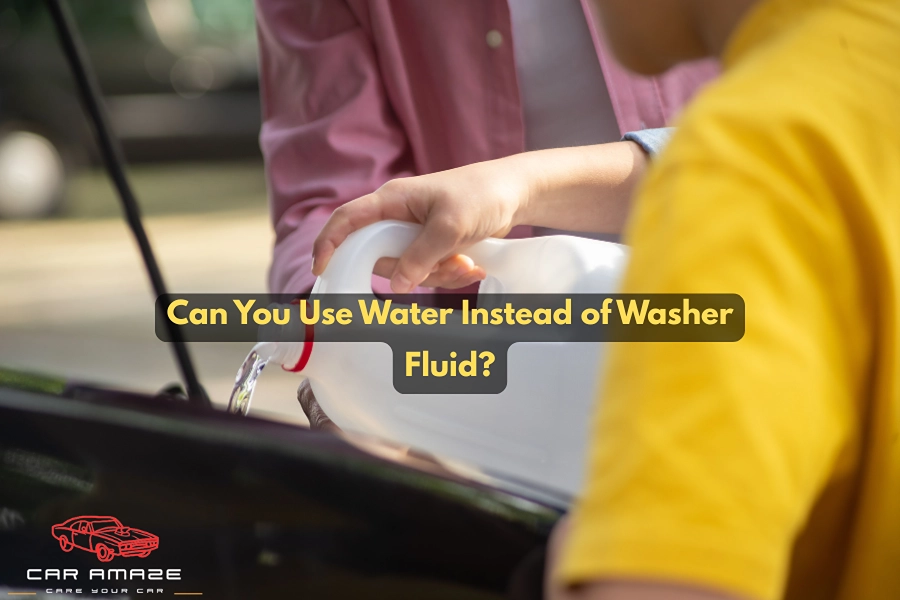
Plain water may seem like an easy substitute, but it isn’t the best option for regular use.
Water lacks the cleaning agents needed to remove:
- Oily road film
- Insect residue
- Bird droppings
- Tree sap
- Road salt
It can also freeze during winter, blocking the washer lines and preventing the system from working when you need it most.
If you’re in an emergency and washer fluid isn’t available, clean water can be used temporarily. Replace it with proper washer fluid as soon as possible.
Why Is the Washer Fluid Symbol Still On After Refilling?
If you’ve filled the reservoir but the warning remains, another issue may be preventing the system from recognizing the new fluid level. Here are the most common causes.
Faulty Fluid Level Sensor
Many vehicles use a float or electronic sensor inside the washer reservoir. If the sensor sticks or fails, it may continue sending a low-fluid signal even though the reservoir is full. This is one of the most common reasons the warning stays illuminated.
Stuck Float
Some reservoirs use a small floating mechanism instead of an electronic sensor. Over time, dirt or residue can prevent the float from moving freely. Cleaning or replacing the float usually solves the problem.
Damaged Wiring
A loose connector or damaged wiring between the sensor and the dashboard can interrupt communication. This type of issue typically requires electrical testing.
Washer Fluid Leak
If the reservoir develops a crack or a hose becomes damaged, fluid may leak out shortly after refilling.
Signs of a leak include:
- Fluid level dropping quickly
- Small puddles under the front of the vehicle
- Weak or no spray from the washer nozzles
Ignoring a leak can eventually leave the reservoir empty again.
Frozen Washer Lines
Cold temperatures can freeze water or low-quality washer fluid inside the hoses. Even with a full reservoir, frozen lines prevent fluid from reaching the windshield. Using winter-rated washer fluid helps reduce this risk.
Common Mistakes to Avoid

Many washer system problems are caused by simple mistakes. Avoid these common errors.
Filling the Wrong Reservoir
Never pour washer fluid into:
- Engine oil filler
- Coolant reservoir
- Brake fluid reservoir
- Power steering reservoir
Each fluid serves a different purpose, and using the wrong one can cause serious damage. If you are highly concerned about the window safety, apply car window tint in light color shade. It provides many benefits to windows without affecting visibility.
Waiting Until the Reservoir Is Empty
Many drivers ignore the warning until they need the washer system during bad weather.
Refilling the reservoir soon after the warning appears helps ensure the system is ready when visibility suddenly changes.
Mixing Different Products Without Checking Compatibility
Most washer fluids can be mixed, but combining products with different additives may reduce their effectiveness.
If switching to a different formula, it’s a good idea to use up most of the old fluid first.
Ignoring Weak Spray Patterns
If the washer fluid sprays unevenly or barely reaches the windshield, don’t assume the reservoir is empty.
The issue may be:
- Clogged nozzles
- A weak washer pump
- Kinked hoses
- Low system pressure
Fixing these problems early can prevent larger repairs later.
Car Washer Fluid Symbol vs. Other Dashboard Warning Lights
Many dashboard symbols involve the windshield, making them easy to confuse. Knowing the difference helps you respond correctly when a warning appears.
| Dashboard Symbol | Meaning | Action Required |
| Car washer fluid symbol | Washer fluid level is low | Refill the washer fluid reservoir |
| Windshield wiper symbol | Wipers are operating or the wiper system is selected | No action needed |
| Defrost symbol | Front or rear defroster is on | Normal operation |
| Low coolant warning | Engine coolant is low or overheating | Stop and check coolant level as soon as it is is safe |
| Check engine light | Engine or emissions system problem | Diagnose the issue promptly |
The car window washer fluid symbol is one of the least serious dashboard warnings, but that doesn’t mean it should be ignored. Clear visibility is essential for safe driving.
Tips to Keep Your Washer System Working Properly
A few simple habits can help prevent washer system problems and keep your windshield clean throughout the year.
- Check the washer fluid level every few weeks.
- Refill the reservoir before long road trips.
- Use winter-rated washer fluid in freezing temperatures.
- Clean the spray nozzles if the pattern becomes uneven.
- Replace worn windshield wiper blades when they begin to streak.
- Never use household cleaners or detergents in the washer reservoir.
- Inspect hoses occasionally for leaks or damage.
These small maintenance tasks take only a few minutes but can improve visibility in changing weather conditions.
Final Thoughts
The washer fluid symbol for a car is a simple reminder that your windshield washer reservoir needs attention. Although it isn’t an emergency warning, keeping the reservoir full helps maintain clear visibility in rain, snow, dusty conditions, and everyday driving.
Refilling the washer fluid only takes a few minutes, but it can make a noticeable difference when you need to clean your windshield quickly. Using the right washer fluid for the season, checking the reservoir regularly, and fixing any leaks or sensor problems will help keep the system working as intended.
When the washer fluid car symbol appears, taking care of it promptly means you’ll be ready for changing road conditions instead of discovering an empty reservoir when visibility suddenly becomes poor.
FAQs
What does the car washer fluid symbol mean?
The car washer fluid symbol indicates that the windshield washer fluid reservoir is running low. Adding the correct washer fluid usually clears the warning shortly after refilling.
Can I drive with the washer fluid warning light on?
Yes. The warning doesn’t mean your vehicle has a mechanical problem. However, driving without washer fluid can reduce visibility if your windshield becomes dirty during rain, snow, or dusty conditions.
Why is my washer fluid warning still on after filling the reservoir?
If the warning remains after refilling, possible causes include:
- A faulty fluid level sensor
- A stuck float inside the reservoir
- Damaged wiring
- A leaking washer reservoir
- Frozen washer fluid in cold weather
If the light doesn’t turn off after checking these items, the system should be inspected by a qualified technician.
Can low washer fluid damage my car?
No. Low washer fluid won’t damage the engine or transmission. The main concern is reduced visibility, which can increase the risk of an accident if the windshield cannot be cleaned while driving.
Is washer fluid the same as coolant?
No. Washer fluid cleans the windshield. Coolant regulates engine temperature. These fluids serve completely different purposes and should never be added to the same reservoir.
How often should I refill windshield washer fluid?
There isn’t a fixed schedule. Some drivers refill the reservoir every few months, while others may need to top it up more often during winter or after long highway trips. Check the level regularly and refill it whenever it becomes low.
Can I mix different brands of washer fluid?
In most cases, yes. Mixing different brands is generally safe if they are designed for the same purpose. However, using one high-quality formula consistently may provide more predictable cleaning performance.
Why isn’t washer fluid spraying onto my windshield?
Several issues can prevent the system from spraying properly, including:
- An empty reservoir
- Clogged spray nozzles
- A faulty washer pump
- Frozen washer lines
- A damaged hose
- A blown fuse
Checking these components usually helps identify the problem.